
English 


Author: Site Editor Publish Time: 2026-09-25 Origin: Site


The aesthetic market is experiencing rapid global growth. This expansion makes teeth whitening a high-margin opportunity for dental practices and cosmetic businesses alike. However, equipment quality heavily dictates both patient safety and long-term profitability. Purchasing the wrong device brings significant risks to your practice. You might face inconsistent whitening results. Clients could suffer from severe tooth sensitivity or painful gingival burns. Furthermore, compliance violations and sunken investments frequently plague uninformed buyers who select inappropriate hardware. We need a practical, evidence-based framework to avoid these costly pitfalls. This comprehensive guide provides exactly that. You will discover how to evaluate and shortlist the perfect hardware for your specific business model. We will explore key regulatory differences, essential technical specifications, and rigorous supplier vetting strategies. By following these exact steps, you can confidently procure a reliable system tailored precisely to your operational needs.
Context Dictates Tech: Dental clinics and beauty salons face different regulatory frameworks, dictating the necessary power and light specifications of the machine.
LED is the Standard: Modern businesses are shifting toward cool-light LED accelerators over legacy halogen or laser systems to minimize thermal risks.
Supplier Vetting is Crucial: Verifiable certifications (FDA, CE, ISO), warranty terms, and post-sale training separate reliable partners from risky offshore resellers.
You must clearly define your business environment before evaluating hardware. We see major operational differences between dental clinics and beauty spas. These differences dictate the type of equipment you can legally and safely operate.
The regulatory divide centers on chemical concentrations. We must distinguish between medical-grade applications and cosmetic applications. Dentists typically use high-concentration hydrogen peroxide gels. Aestheticians rely on low-peroxide or zero-peroxide alternatives. Regulatory bodies closely monitor high-concentration chemicals. They classify them as medical devices or prescription treatments in many regions. You need to align your hardware capabilities strictly alongside these legal boundaries.
Dental clinics require robust performance. They need high-intensity, precisely adjustable machines. Dentists must activate potent chemical agents rapidly. They must achieve this without generating excessive heat. High-end clinic machines offer precise spectral tuning. This allows practitioners to manage severe discoloration cases effectively.
Salons and spas have entirely different priorities. They focus on user-friendly, mobile beauty salon whitening equipment. These devices are specifically designed to pair safely alongside cosmetic-grade, non-prescription gels. Spas require easy setup processes. They benefit from compact wheelbases and intuitive touchscreen interfaces.
Risk mitigation remains a critical factor. Over-specifying creates operational liabilities. Buying a machine too powerful for a salon risks user error. Aestheticians might accidentally trigger extreme sensitivity in clients. Conversely, under-specifying creates clinical liabilities. Buying a weak machine for a dental clinic leads to poor results. Patients will leave dissatisfied. You must match the machine’s power output directly to your staff’s training level.
Understanding light acceleration technology helps you make informed purchasing decisions. The industry has evolved significantly over the last decade.
Cool-light LED represents the current industry standard. These diodes emit specific blue light wavelengths. The optimal range falls between 460nm and 490nm. This exact spectrum safely accelerates the oxidation process of whitening gels. It breaks down stains at a molecular level.
Cold light minimizes pulp temperature increases. This is a crucial clinical advantage. Legacy systems often heated the tooth aggressively. This caused severe post-treatment sensitivity. LED technology drastically reduces these adverse effects. Patients experience much higher comfort levels during and after the procedure.
Modern clinics are upgrading their service menus. They are integrating advanced light spectrums into their workflows. A modern multi-light whitening system offers distinct therapeutic advantages.
These systems incorporate red light and purple light. Red light therapy helps soothe inflamed gums. It reduces tissue irritation naturally. Purple light provides advanced gel activation for specialized cosmetic formulas. We see a strong business case here. You can offer combination light therapy as a premium service tier. Clients gladly pay more for treatments promising reduced sensitivity and enhanced comfort.
You should actively avoid legacy halogen or laser systems. They carry significant thermal risks. Halogen bulbs generate inconsistent heat distribution. They can easily overheat the dental pulp. Furthermore, they demand higher maintenance costs. Bulbs burn out quickly. They consume massive amounts of energy. The industry is phasing them out for excellent reasons.
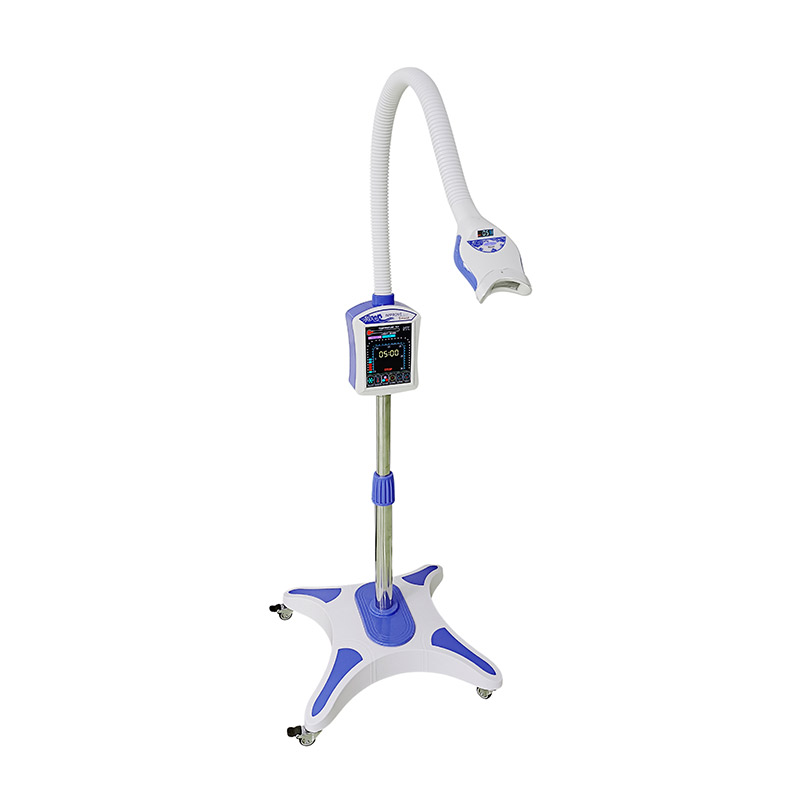
Purchasing a professional teeth whitening machine requires careful technical evaluation. Do not rely solely on marketing brochures. You must read the technical spec sheets carefully.
Table: Quick Reference for Equipment Specifications
Specification | Ideal Range / Feature | Clinical Benefit |
|---|---|---|
Wavelength | 460nm - 490nm (Blue Light) | Maximizes gel oxidation safely |
Output Power | 200 - 300 mW/cm² | Ensures consistent results without overheating |
Adjustability | Variable time & intensity | Accommodates sensitive patients |
Lifespan | 50,000+ hours (LED) | Reduces replacement costs |
First, evaluate the wavelength and output power. You need to understand what milliwatts per square centimeter (mW/cm²) actually means. It measures the intensity of light hitting the teeth. Higher power does not always equal better results. Power must remain balanced. Too much intensity causes pain. Too little intensity wastes time.
Second, demand adjustability and presets. Your patients have varying sensitivity levels. You need adjustable time and intensity settings. A rigid machine forces a one-size-fits-all approach. This leads to unhappy clients. Flexible controls let operators customize the experience.
Third, examine the ergonomics and articulation. Wheelbase stability matters in busy clinics. Gooseneck flexibility determines how easily you position the light. Head alignment must remain perfectly parallel to the patient's arch. Poor ergonomics lead to uneven whitening. They also cause technician fatigue. You want smooth, silent articulation.
Fourth, check for consumable agnosticism. Does the machine lock you into proprietary gels? You generally want an "open system". An open system remains compatible alongside multiple gel brands. This prevents supply chain bottlenecks. It gives you pricing leverage over consumable vendors.
Fifth, prioritize infection control features. The device must feature smooth surfaces. It must lack deep crevices where bacteria hide. Check for disposable sheath compatibility. Ease of sanitization between clients protects your patients. It also keeps your practice compliant strictly following health codes.
Your hardware is only as reliable as its source. Vetting an LED whitening accelerator supplier requires diligence. You have several procurement pathways available.
You must choose the right supplier tier for your business size. Each route offers distinct advantages.
Wholesale: Sourcing dental whitening lamp wholesale is best for multi-location clinics. It provides excellent bulk pricing on standard units. You save money through volume discounts.
Direct Manufacturer: Working with a direct teeth whitening machine manufacturer is ideal for guaranteed technical support. You receive clear warranties. You benefit from complete supply chain transparency.
OEM Partners: Utilizing an OEM teeth whitening machine is the preferred route for large franchises. It allows custom branding. You can private-label the hardware to match your corporate identity perfectly.
You must spot bad actors quickly. The market contains many unreliable resellers. Look for these specific indicators.
Watch out for these critical red flags:
Unverifiable medical CE or FDA claims on their website.
Lack of a physical, legally binding warranty document.
No published technical manual or safety guidelines.
Refusal to provide references from current clinical users.
Seek out these positive trust signals:
Readily available compliance certificates verified by third-party auditors.
Clear, transparent return policies published publicly.
Willingness to conduct live video demonstrations of the equipment.
Established domestic support channels and local repair technicians.
Buying the machine represents just the first step. Proper implementation dictates your actual success. You must integrate the device seamlessly into your daily operations.
Standard Operating Procedures (SOPs) are mandatory. The machine is only as good as the operator. You must implement standardized training. Staff must understand proper distance-to-teeth measurements. They must time sessions accurately. Safety preparation requires extreme focus. Operators must apply gingival barriers flawlessly. They must insert cheek retractors correctly. Skipping these steps guarantees client discomfort and negative reviews.
You need to calculate a realistic return on investment. Do this by breaking down your cost per session. Factor in the daily machine depreciation. Add the exact cost of gel syringes. Include the price of disposables like bibs and retractors. Compare this total internal cost against your average treatment price. This maps your breakeven timeline clearly. Many clinics recover their initial capital investment within the first twenty treatments.
Maintenance and lifespan planning ensure long-term profitability. High-quality commercial machines boast impressive durability. You must factor in LED bulb degradation. They typically last around 50,000 hours. Monitor the structural wear-and-tear in high-volume environments. Keep the wheel casters clean. Tighten the gooseneck hinges periodically. Preventive maintenance prevents costly mid-treatment breakdowns.
Selecting the right professional hardware requires a balanced approach. You must weigh clinical efficacy against strict legal compliance. Supplier trustworthiness remains equally important throughout the procurement journey. Do not rush this decision.
Follow a clear decision framework. First, determine your specific business type and regulatory boundaries. Second, select the precise LED specifications your treatments require. Third, vet supplier certifications rigorously. Finally, calculate your cost per session to guarantee a profitable service launch.
Take action today. Encourage your team to request spec sheets from potential vendors. Verify their regulatory certifications independently. Ask for financial demonstration models from your shortlisted suppliers before committing capital. Proper due diligence guarantees an excellent clinical and commercial outcome.
A: The clinically proven standard is 460–490nm. This blue light spectrum effectively activates hydrogen or carbamide peroxide gels. It accelerates the oxidation process safely. It minimizes excess heat. This prevents tooth sensitivity and protects the dental pulp during treatments.
A: Licensing requirements depend heavily on your local regulations. They also depend on the peroxide concentration in your whitening gel. The hardware itself usually does not require a license. However, applying high-concentration gels often demands a dental license. Always consult legal counsel in your region before offering services.
A: Yes. Reputable manufacturers offer extensive customization options for bulk orders. You can request custom casing colors. They will print your logo directly on the hardware. Many also provide pre-programmed software interfaces. This ensures brand consistency across all your franchise locations.
A: High-quality commercial machines typically feature robust LED modules. These offer an average lifespan of 50,000 hours. This translates to many years of daily clinic or salon use. You will rarely need to replace the bulbs before structural degradation occurs.


