
English 


Author: Site Editor Publish Time: 2026-11-14 Origin: Site


The professional teeth whitening landscape has shifted dramatically from basic single-spectrum devices to advanced multi-wavelength systems. This technological evolution complicates equipment purchasing decisions for modern dental clinics and aesthetic salons. Buyers face a confusing market of competing claims. While the traditional baseline remains standard, modern devices now feature dedicated red and purple modes. You must learn to distinguish between scientifically backed light therapies and superficial cosmetic marketing gimmicks. Misinterpreting these functions can lead to poor patient outcomes.
This guide deconstructs the exact mechanisms of blue, red, and purple wavelengths carefully. We provide a clear framework for evaluating and investing in a commercial-grade LED Teeth Whitening Machine. You will learn how to maximize patient comfort and optimize treatment efficacy. We will explore the chemical realities of gel activation. You can use this knowledge to elevate your clinical service menus immediately.
Light does not bleach; it accelerates: No LED light whitens teeth independently; wavelengths act purely as catalysts for peroxide-based gels.
Blue Light (460–480nm) is non-negotiable: It is the mandatory standard for oxidizing whitening agents efficiently.
Red Light (600–650nm) drives client retention: It focuses on tissue healing and inflammation reduction, directly combating the most common barrier to whitening: tooth sensitivity.
Purple Light is a hybrid solution: True purple modes combine red and blue wavelengths (or act as optical color correctors) to offer simultaneous oxidation and soothing.
Multi-mode ROI: Investing in an LED teeth whitening machine with alternating spectrums allows practitioners to charge premium rates for "low-sensitivity" or "healing" whitening packages.
Let us clarify the chemical reality first. Whitening always requires an active ingredient. Professionals typically use Hydrogen Peroxide or Carbamide Peroxide gels. The LED light provides targeted thermal and photonic energy. It breaks down the gel into reactive oxygen molecules much faster. We call this process the catalyst principle. Hydrogen Peroxide breaks down very rapidly under intense light. It releases free radicals almost instantly. This rapid release provides excellent initial brightening. Carbamide Peroxide breaks down much slower over time. It releases about one-third of its oxidizing power initially. The remaining power activates gradually.
The LED device forces both compounds to accelerate their natural breakdown cycles. We observe a dramatic increase in treatment efficiency. The oxygen molecules penetrate the enamel pores deep down. They break apart complex carbon bonds inside the stain molecules effectively. Your patients see a visible difference immediately.
Contrast modern cold-light LED technology against outdated halogen or UV systems. Nanometer (nm) measurements matter much more than sheer brightness. We measure true effectiveness by specific light frequencies. Halogen systems generated excessive ambient heat historically. They caused severe pulp damage and patient discomfort. Cold-light LEDs target the gel specifically without heating the entire tooth structure. The focused light spectrum ensures safe operation.
We must establish trust by debunking a common myth. Using an LED device without a photo-initiator gel yields zero shade improvements. The light cannot bleach enamel independently. It only excites the chemical compounds present on the tooth surface. We often see poorly informed consumers buying light-only kits. They experience complete disappointment. Education remains vital for managing client expectations properly.
Let us detail the critical 460–480nm wavelength spectrum. A true Blue LED Whitening Light perfectly matches the absorption rate of standard photo-initiators. You will find these light-sensitive initiators in most professional whitening gels. The blue spectrum accelerates the oxidation process significantly. It hits the exact frequency needed for maximum chemical breakdown. Different gel formulations require specific light intensities. A premium machine allows you to adjust the output precisely. You can tailor the treatment to individual enamel thickness. Thinner enamel requires a lower irradiance setting initially. You protect the patient from unnecessary nerve irritation.
Treatment impact is substantial for commercial practices. We see standard 60-minute chair times drop to rapid 15–20 minute sessions. Dentists appreciate this granular level of control. You turn over chairs faster and increase daily revenue effortlessly. Patients appreciate the shorter appointment times immensely. They experience less jaw fatigue during the procedure. Efficiency drives modern clinic profitability directly.
However, implementation reality requires caution. High-intensity blue light can dehydrate teeth temporarily. This sudden dehydration often leads to transient sensitivity. Patients typically call these sharp pains "zingers". You must prioritize advanced cooling systems in the machine head. Superior cooling fans dissipate residual heat safely. They protect the patient's dental pulp from thermal shock.
Here are best practices for blue light usage:
Apply a thick layer of gingival barrier resin carefully.
Monitor the patient closely during the first five minutes.
Keep the machine head at the manufacturer-recommended distance.
Start with a medium intensity for first-time clients.
Common mistakes include ignoring heat buildup in cheap machines. You risk causing severe post-treatment sensitivity. Never use maximum irradiance on a first-time client immediately.
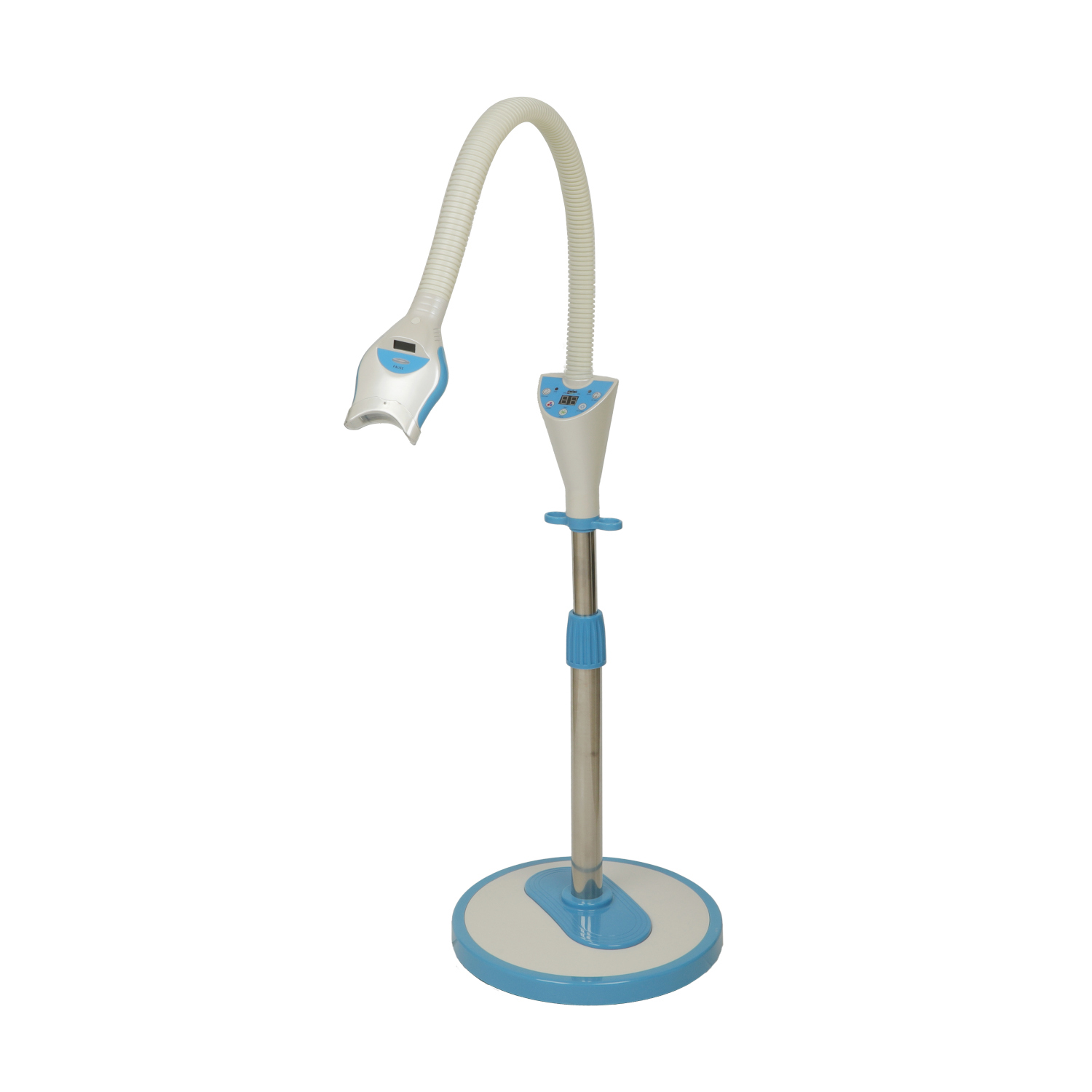
We must analyze the 600–650nm wavelength spectrum deeply. Red LED Therapy relies on established photobiomodulation principles. Medical professionals use low-level light therapy in dermatology and dentistry extensively. Red light stimulates cellular ATP (Adenosine Triphosphate) production efficiently. ATP acts as the primary energy carrier within cells. Increased ATP levels accelerate natural cellular repair mechanisms. It interacts directly with the mitochondria inside the gum cells. This interaction increases local blood circulation significantly. Better blood flow flushes out inflammatory markers quickly.
The process soothes the gingival tissue around the gums. It calms irritated nerve endings inside the dentin tubules. It focuses purely on cellular repair and inflammation reduction. Why does this matter for your business? Tooth sensitivity remains the biggest barrier to client retention globally. Clients who experience pain rarely book a second session. They often leave negative reviews online. A bad experience destroys patient trust instantly.
Offering a "Red Light Recovery" phase post-whitening becomes a major unique selling proposition. Practices easily attract clients who have historically sensitive teeth. You can market this as a premium, pain-free service tier. This targeted therapy reduces dentinal hypersensitivity quickly. Your clients leave the clinic feeling comfortable and satisfied.
We highly recommend integrating red light into every standard protocol. You run the blue cycle for oxidation first. You follow it immediately by a dedicated red cycle. This simple workflow change transforms the patient experience completely.
What is a Purple LED Light actually doing clinically? In professional hardware, it typically means firing Blue and Red diodes simultaneously. You create a dynamic dual-action environment instantly. The system offers aggressive oxidation and tissue soothing concurrently. We often refer to this as a hybrid treatment mode.
We must address the color theory nuance here carefully. Consumers often see "purple color correctors" like V34 serums trending online. A physical purple pigment neutralizes yellow tones on the tooth surface temporarily. It relies on the basic color wheel principles. A purple wavelength emitting from a machine operates differently. The light does not paint the teeth purple. It merely combines two separate therapeutic spectrums. Do not confuse topical color correctors with clinical phototherapy.
What is the true clinical value? You should evaluate the efficiency of running combined wavelengths. It saves precious chair time during busy operational hours. You avoid running a blue session followed by a separate red session. True dual-diodes blend the benefits perfectly. The blue diodes handle the heavy lifting of stain oxidation. The red diodes work simultaneously to calm the surrounding tissue. You get the best of both worlds in a single session.
However, you must understand a slight drawback. Peak irradiance for each individual spectrum may be slightly diluted. Poorly designed machines just use a purple plastic filter over a white bulb. This setup provides zero therapeutic benefit. Always verify the diode configuration before buying. Ask the manufacturer for a spectroscopic report. This report proves the machine actually emits both 460nm and 650nm wavelengths accurately.
Let us map features to clinical outcomes systematically. You must evaluate specific parameters before purchasing new equipment.
Assess the irradiance and power output carefully.
Check the spectrum toggling capabilities thoroughly.
Examine the physical articulation and build quality.
Check for adjustable mW/cm² settings rather than just "wattage". High wattage does not guarantee high irradiance at the tooth surface. Does the machine allow independent use of Blue, Red, and Purple modes? Or is it locked to one unchangeable cycle? Examine the physical arm stability carefully. Heavy-duty wheel locks prevent accidental movement during procedures. Head-cooling fans remain critical for continuous back-to-back salon use.
Safety and compliance cannot be ignored. Ensure the device carries necessary certifications like FDA registration or CE marks. You mitigate liability risks significantly by choosing certified equipment. Regulatory bodies test these machines for electrical safety and emission accuracy. They ensure the device does not emit harmful UV radiation accidentally. Insurance providers often require these certifications for malpractice coverage. Operating uncertified equipment can void your clinic's insurance policy entirely. You must protect your business from unnecessary legal exposure.
Compare the upfront investment of a tri-mode machine against increased revenue potential. You can offer tiered service menus easily. For example, pitch a "Standard Blue" package versus a "Premium Sensitive-Care Multi-Mode" treatment. The premium tier commands a higher price point easily.
Let us review a feature mapping breakdown below.
Machine Feature | Clinical Outcome | Business Impact |
|---|---|---|
Adjustable Irradiance (mW/cm²) | Precise gel activation control | Customizable treatments for different stain levels |
Independent Spectrum Toggling | Ability to isolate red or blue wavelengths | Creates tiered pricing for premium recovery phases |
Heavy-Duty Wheel Locks & Arm Stability | Prevents focal distance shifting | Reduces liability and ensures consistent results |
Advanced Head-Cooling Fans | Minimizes pulp thermal shock | Enables back-to-back salon bookings safely |
Best practices include requesting technical specification sheets from manufacturers directly. Verify the exact nanometer output claims before signing contracts. A reputable supplier provides these documents happily.
Common mistakes involve purchasing machines based solely on aesthetic exterior design. Internal cooling systems matter much more than a sleek plastic shell. Do not compromise on structural integrity for visual appeal.
A high-quality machine is no longer just a simple blue-light lamp. It acts as a sophisticated multi-spectrum treatment tool. For high-volume practices, investing in a multi-mode device makes perfect strategic sense. It offers Blue for raw power and Red/Purple for sensitivity management. This approach provides the highest revenue potential. It also ensures the safest patient outcomes possible.
Advise your team to audit current client complaints rigorously. If sensitivity remains the main churn factor, prioritize a machine equipped for tissue healing. You will build a loyal, pain-free client base over time. Your clinic will stand out in a saturated market immediately.
Actionable next steps:
Audit your recent patient feedback regarding post-whitening sensitivity.
Request exact nanometer specifications when contacting equipment vendors.
Design a tiered service menu incorporating dedicated recovery phases.
Train your staff on the specific benefits of photobiomodulation therapy.
A: No. The light purely accelerates the chemical reaction of the peroxide gel. It does not bleach teeth independently.
A: Yes, professional LED cold light does not emit harmful UV radiation and does not damage enamel when paired with proper protocols.
A: No, red light has no oxidizing effect on tooth stains. Its sole purpose in a whitening protocol is to heal tissue and reduce dentinal hypersensitivity.
A: It depends on the hardware. If it is a true dual-diode system outputting proper nanometer ranges of both blue and red, it is effective. If it is just a purple-tinted plastic cover over a weak bulb, it is a gimmick.


